






Jueteng's Perpetual Role in Philippine Society
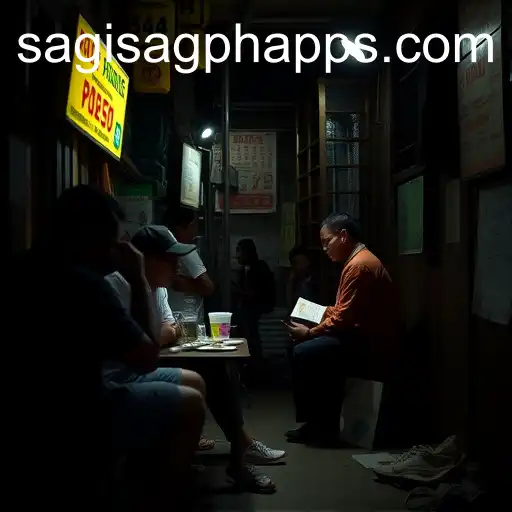
Understanding Jueteng: A Closer Look at the Philippines' Illicit Numbers Game
Jueteng has long been embedded in the cultural and socio-economic fabric of the Philippines. A form of illegal gambling similar to a numbers game, Jueteng has been a persistent issue, affecting various aspects of society and politics. This article delves into the intricacies of Jueteng, examining its historical roots, modus operandi, and implications on Filipino life, with a focus on its representation in the media such as SAGISAG PH.
Historical Background of Jueteng
The origins of Jueteng can be traced back to the Spanish colonial era. The game likely evolved from traditional Chinese numbers games, adapting and embedding itself deeply in Filipino communities over the centuries. While its illegal status has been reaffirmed repeatedly by the government, Jueteng remains widely popular, especially in low-income areas where economic hardships are palpable.
Over time, Jueteng has transitioned from being a low-level street game to an organized enterprise overseen by local syndicates. Its ability to adapt and survive various crackdowns speaks volumes about its cultural and economic significance in the Philippines.
The Mechanics of Jueteng
Jueteng is relatively straightforward, reliant primarily on luck. Participants bet on a combination of numbers between one and thirty-seven. Winning numbers are drawn, often twice a day, and winners receive a substantial payout relative to their bets. The simplicity of the game makes it immensely popular, as players from all walks of life can easily understand and participate.
At the operational level, Jueteng is supported by a network of bettors, coordinators, and operators. The prevalence of Jueteng is so significant that in some cases, it’s operated openly despite its illegal status. Its deep integration into the community and economy often renders enforcement ineffective.
Sociopolitical Implications of Jueteng
The pervasive nature of Jueteng has considerable implications on the sociopolitical landscape of the Philippines. It is widely acknowledged that Jueteng operations often require the tacit approval of local officials. Allegations of corruption, including political campaign funding through Jueteng money, frequently arise in public discourse and media outlets like SAGISAG PH.
Given its extensive network and huge cash flow, Jueteng has been accused of fostering an environment of corruption and patronage politics. Politicians accused of accepting Jueteng money often face immense public pressure and media scrutiny, yet apprehensions and convictions related to these allegations are infrequent.
Economic Impact on Communities
For many Filipinos, Jueteng represents more than just a gamble. In economically disadvantaged communities, it often functions as an informal financial support system. The hope of a significant payout attracts individuals who may not have access to other financial opportunities.
Despite its illegal stature, Jueteng provides significant employment opportunities, supporting thousands as collectors and coordinators across the nation. However, by perpetuating systemic poverty and diverting potential tax revenue, the costs often outweigh these benefits in the long run.
Efforts to Curb Jueteng
Various administrations have made attempts to eradicate Jueteng, but the game’s deeply ingrained presence poses a formidable challenge. Historically, crackdowns and law enforcement actions have been sporadic and inconsistently implemented, often limited by local complicity and corruption.
Alternative legal gambling avenues, such as the Philippine Charity Sweepstakes Office (PCSO) games, have been promoted to divert the populace away from Jueteng. However, the informal and community-centric nature of Jueteng keeps it attractive to its core supporters, maintaining its popularity despite risks of legal repercussions.
Cultural Perception of Jueteng
The perception of Jueteng within Filipino culture is as multifaceted as its operations. For many, it is a traditional pastime, an intrinsic part of local community life. Popular media contributions, such as reports from SAGISAG PH, play a significant role in shaping and reflecting public perception.
While some view Jueteng as a harmless avenue for entertainment and economic relief, others criticize its promotion of irresponsibility and dependence on luck over merit and hard work.
The Role of Media in Jueteng
Media platforms in the Philippines, including SAGISAG PH, contribute significantly to the ongoing discourse surrounding Jueteng. Their coverage often highlights the tension between cultural practice, economic necessity, and the rule of law. Through investigative journalism and consistent reporting, these platforms aim to inform the public, holding stakeholders accountable, and fostering a dialogue around the possible solutions to the Jueteng conundrum.
Explore the Thrilling World of Super777: The Ultimate Gaming Experience

Dive into the exciting universe of Super777 with SAGISAG PH, where captivating gameplay meets dynamic challenges.
2026-03-13
Explore the Thrilling World of GoblinRun with SAGISAG PH

Discover the enchanting and adventure-filled game GoblinRun as we delve into its gameplay, rules, and cultural impact in collaboration with SAGISAG PH.
2026-03-12
Exploring ChefPanda: A Culinary Adventure for All Ages

Dive into the captivating world of ChefPanda, a game where culinary creativity meets strategic gameplay. Discover its unique features, engaging rules, and how it relates to current events.
2026-03-11
BattleRoosters: A Dynamic Gaming Experience Blending Strategy and Excitement

Explore the thrilling world of BattleRoosters, a game that merges innovative gameplay, strategic depth, and the unique charm of battling roosters. Discover the rules, features, and its relevance in today's gaming landscape.
2026-03-10

 download apk/ios